Project Overview
As part of the NSF-funded INSPIRE program, I Collaborated with an Interdisciplinary Team consisting of Two Biology Majors and 1 Computer Science Major
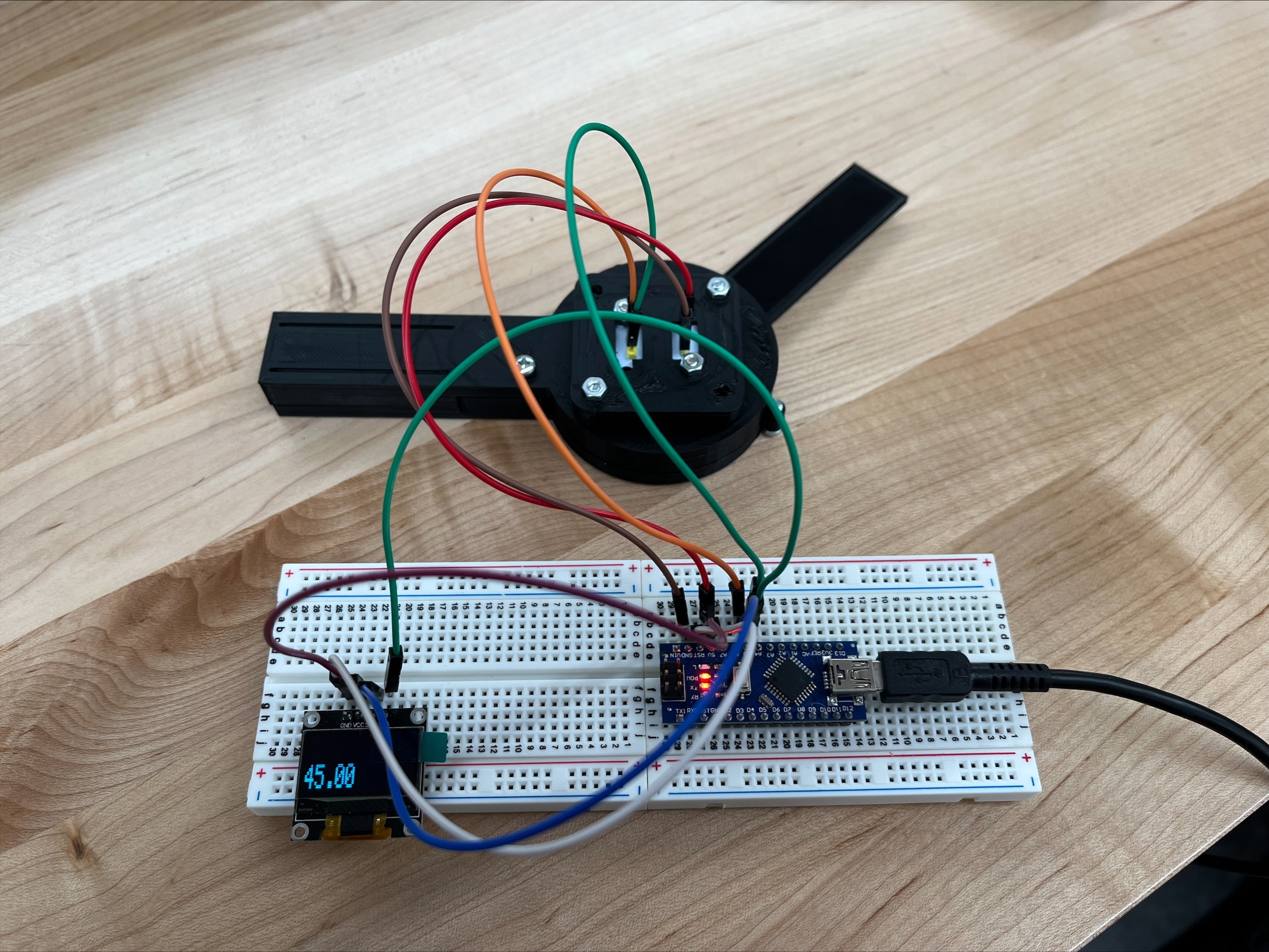
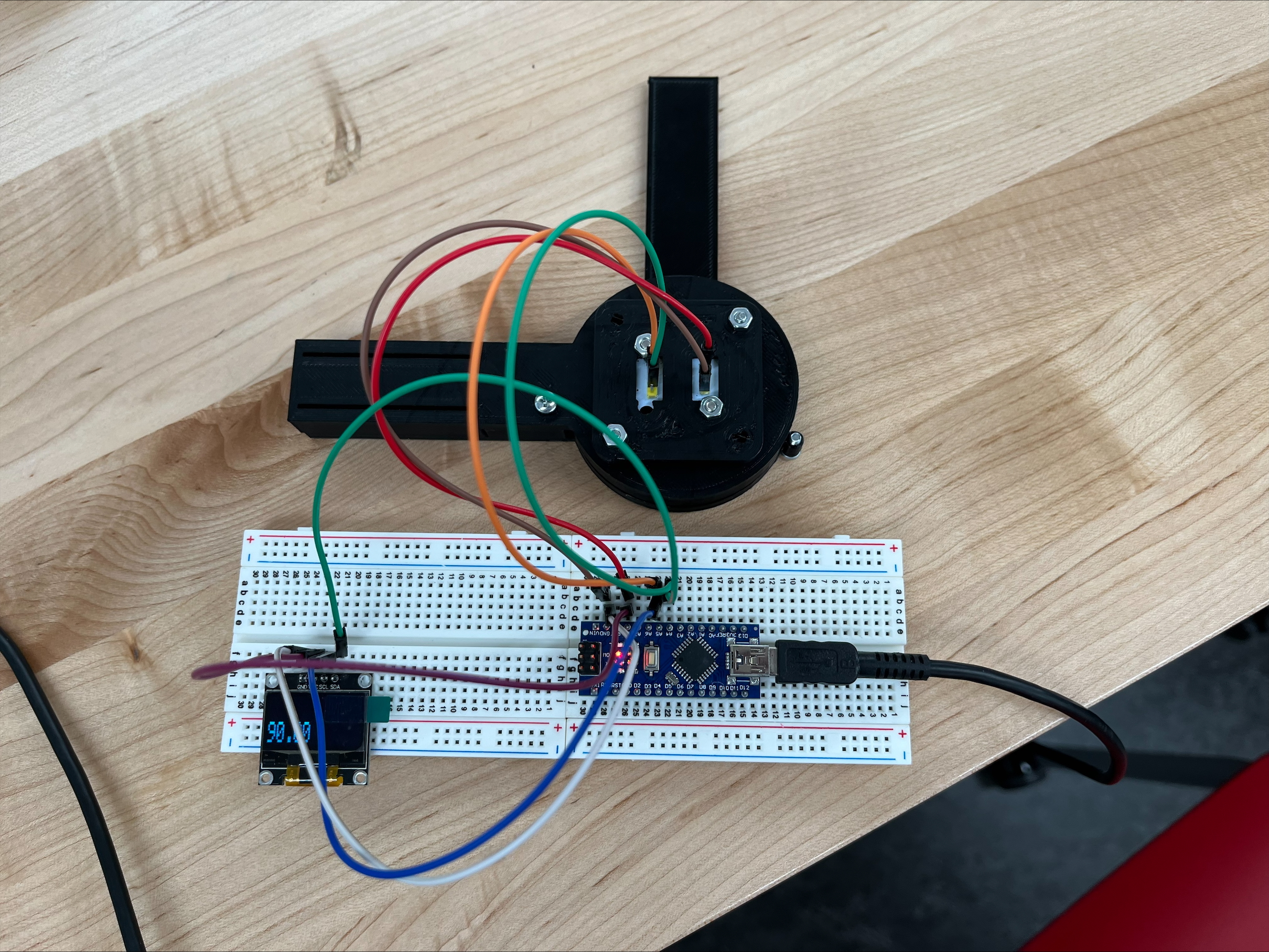
to Develop a Proprietary Wearable Medical Device. Our Goal was to Accelerate Recovery for Knee Reconstruction Patients by Monitoring the Angle of the Knee during Exercises
from Home as the Physical Therapists can Track their Patients' Progress.
This Idea was Brought up by us as a Group since we have all Dealt with Something Similar in our Lives and wanted to Create a Viable Solution.
Key Contributions & Responsibilities
- Collaborated with an Interdisciplinary Team to Solve a Real-World Healthcare Challenge.
- Utilized CAD, Coding, and Prototyping to Design and Develop the Wearable Device.
- Focused on Integrating a Magnetic Encoder and an Ergonomic Design to Create a Device that is Accurate to the 0.01 Degree.
- Had a Pivotal Role in Iterative Testing and Refining the Prototype to Enhance Range-of-Motion Recovery.
Skills
-
Medical Engineering & Sensor Integration: Advanced Sensor Integration (Magnetic Encoder) with Prototype Design to Achieve Highly Precise Knee Angle Measurements.
-
Interdisciplinary Collaboration: Effectively Worked with Members not of the Same Degree to Achieve the Creation of this Device.
-
CAD & Prototyping: Iterative Design and Coding.
-
Public Speaking: Presented This Project at the Utah of Undergraduate Research (2023) & Presented in a Utah Tech University Pitch Competition (2023) Recieving 2nd Place out of 40 Groups.
-
Patent Process Understanding: Spent Time Going through the Patent Process at the Atwood Innovation Plaza with Dr. Wayne Provost, unfortunately it Never went Further than just what the Patent Process would Entail.
Outcome
The Project was a Great Experience for me to Work with other people from other Disciplines while achieving the Common Goal of Helping Knee Reconstruction Patients. While we Never got Further than the Prototype,
it was a great learning Experience in Research & Development.